
Visual Debt: The Hidden Cost of an Outdated Website
Most business owners are familiar with technical debt—the cost of quick fixes and shortcuts in software that eventually slow things down.
But there’s another type of debt quietly hurting businesses online: visual debt.
Visual debt happens when a website’s design, branding, and user experience slowly fall out of date. It accumulates over time through outdated layouts, inconsistent graphics, old photos, and design choices that no longer reflect modern standards or the quality of your business.
The result? Visitors lose trust before they even read a word.
What Is Visual Debt?
Visual debt refers to the accumulation of outdated or inconsistent design elements that make a website look unprofessional, confusing, or difficult to use.
Unlike technical problems that break a site, visual debt damages something just as important:
First impressions.
When someone lands on your website, they make a judgment about your business in seconds. If the site looks dated, cluttered, or poorly designed, it can create doubts about the quality of your services.
Even if your business is excellent, your website may be sending the wrong message.
Common Signs of Visual Debt
Many businesses don’t realize their website has visual debt until conversions start dropping or competitors begin to look more polished online.
Here are some common warning signs.
Outdated Website Design
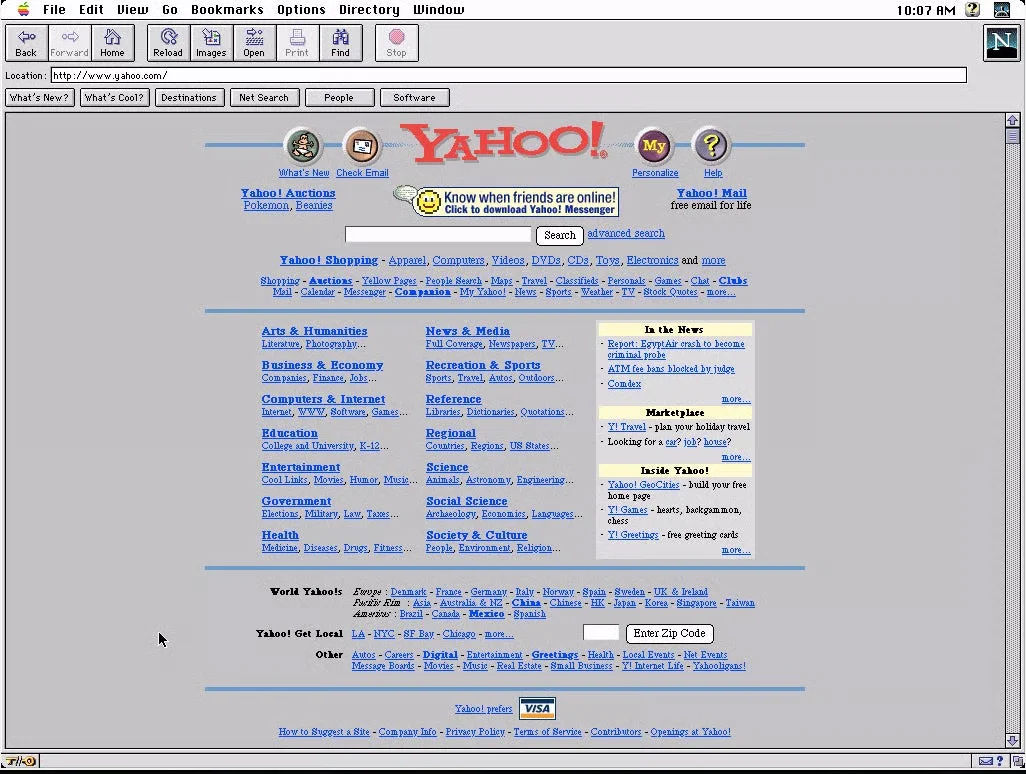
Design trends evolve quickly. A website built 6–10 years ago may still function, but it often feels outdated compared to modern sites.
Older designs often include:
- Narrow page layouts
- Overuse of gradients or shadows
- Cluttered sidebars
- Small or hard-to-read fonts
- Busy backgrounds
Modern websites prioritize clean layouts, strong typography, and clear visual hierarchy.
Poor Quality Images
Images play a huge role in perception.
Common problems include:
- Low resolution photos
- Generic stock images
- Inconsistent editing styles
- Outdated photos of your team, office, or products
Strong, high-quality visuals immediately elevate trust and credibility.
Cluttered Layouts
Older websites often try to show everything at once:
- Too many menu items
- Dense blocks of text
- Competing calls-to-action
- Too many colours or design elements
Modern design focuses on clarity and focus—guiding the visitor toward the next step.
Poor Mobile Experience
Many older websites were built before mobile-first design became standard. Signs of mobile visual debt include:
- Tiny text
- Buttons that are difficult to tap
- Images that break layouts
- Slow page loading
With more than half of web traffic coming from mobile devices, poor mobile design can directly hurt conversions.
How Visual Debt Hurts Your Business
Visual debt isn’t just a cosmetic issue—it has real business consequences.
Lower Conversion Rates
If visitors don’t trust the website, they’re less likely to:
- Submit a contact form
- Request a quote
- Call your business
- Purchase a product
A polished design builds confidence and encourages action.
Reduced SEO Performance
Search engines increasingly measure user experience signals, including:
- Time spent on site
- Bounce rate
- Mobile usability
- Page speed
Websites with heavy visual debt often perform poorly in these areas, which can impact search rankings.
Lost Competitive Advantage
In many industries, customers compare multiple companies online before making a decision.
If a competitor has a modern, well-designed website, they may win the business even if your service is equal or better.
Your website should position you as the obvious professional choice.
Why Visual Debt Happens
Most visual debt develops gradually.
Common reasons include:
- A website built years ago that was never refreshed
- DIY updates that don’t follow a consistent design system
- New services added without redesigning the layout
- Old content and images left in place
- Branding updates that weren’t applied across the site
Over time, these small changes accumulate and the site begins to feel disjointed.
How to Fix Visual Debt
Fixing visual debt doesn’t always require a full rebuild—but it often requires a strategic refresh.
A professional website update may include:
Modern Website Design
Refreshing layouts, typography, and visual hierarchy to align with current design standards.
Brand Consistency
Ensuring colours, fonts, imagery, and messaging match your brand identity across the entire site.
Professional Photography
High-quality images of your team, services, or products can dramatically improve perception and trust.
Improved User Experience
Simplifying navigation and guiding visitors toward clear calls-to-action.
Mobile Optimization
Designing for mobile users first, ensuring smooth performance across all devices.
Is Your Website Carrying Visual Debt?
If your website hasn’t been updated in several years, there’s a good chance visual debt has started to build up.
A modern website should:
- Reflect the quality of your business
- Build trust immediately
- Guide visitors toward contacting you
- Support your SEO and marketing efforts
If your site feels outdated, cluttered, or inconsistent, addressing visual debt can make a significant difference in how customers perceive your brand.
Need Help Refreshing Your Website?
At Hammer and Pixel, we help businesses modernize their online presence through website design, branding, photography, and SEO.
Whether your website needs a full redesign or a targeted visual refresh, improving your site’s design can strengthen your brand and help convert more visitors into customers.
Contact us today to discuss how we can help reduce visual debt and create a website that truly represents your business.